Precision Oxygen & Metabolism Analysis
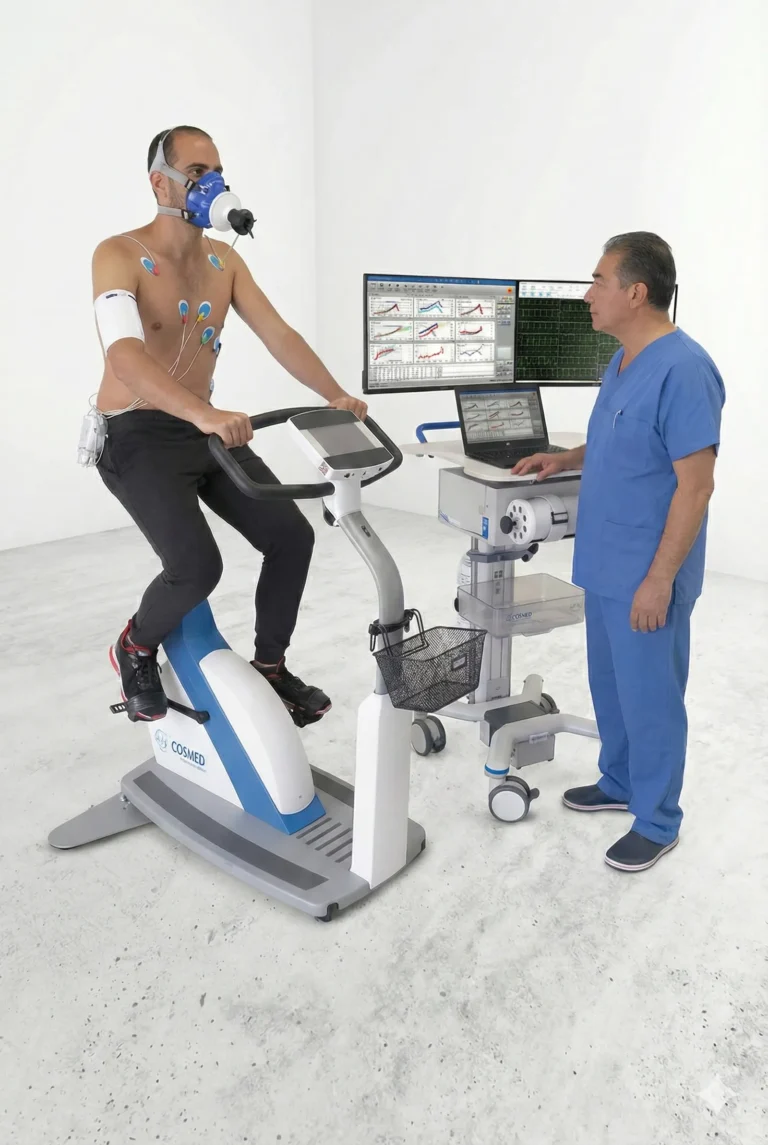
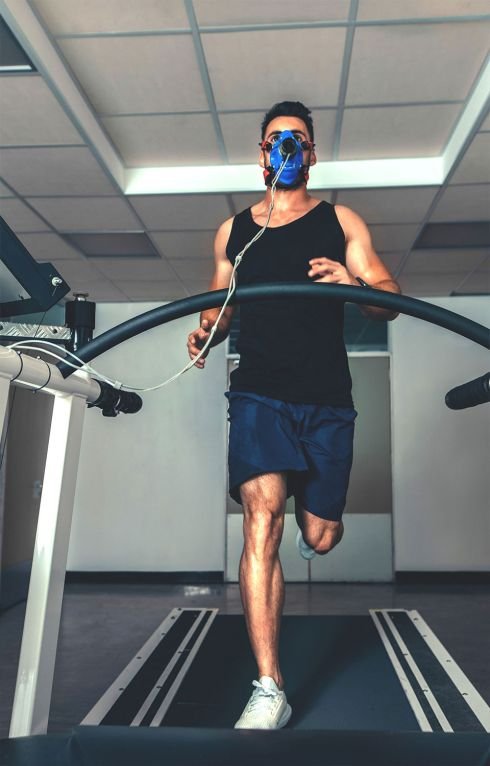
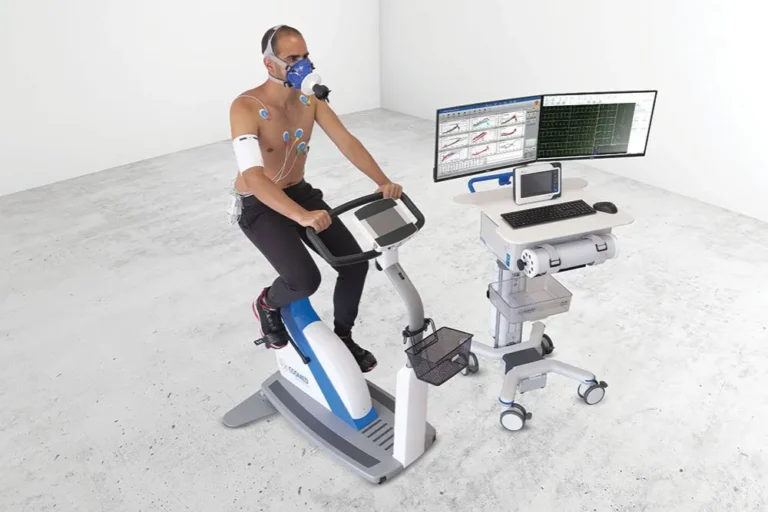
This feature measures how your body consumes oxygen and converts it into energy during physical effort.

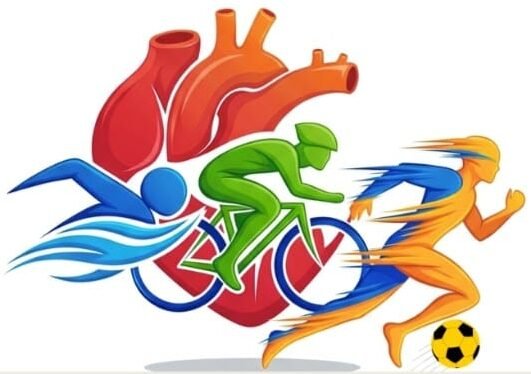
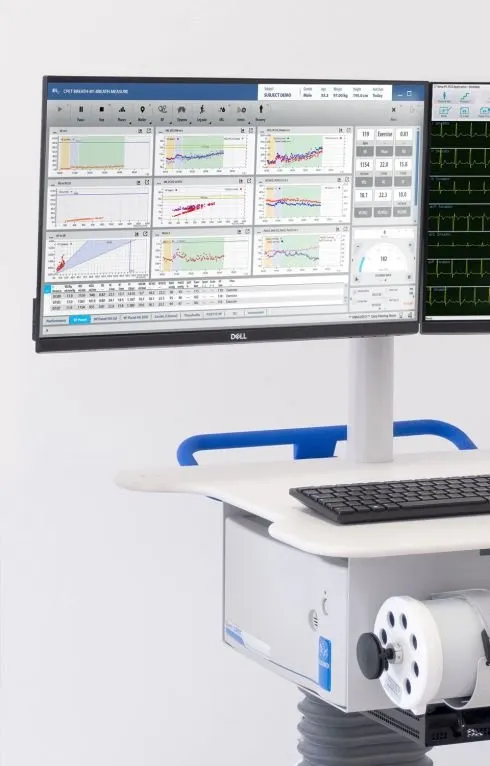
Experience the power of VO2 max /CPET , a next-generation clinical system introduced exclusively by Dr. Yasser Hosny offering unmatched accuracy in diagnosing and optimizing heart–lung performance.
Because guessing is risky — precise data saves lives.
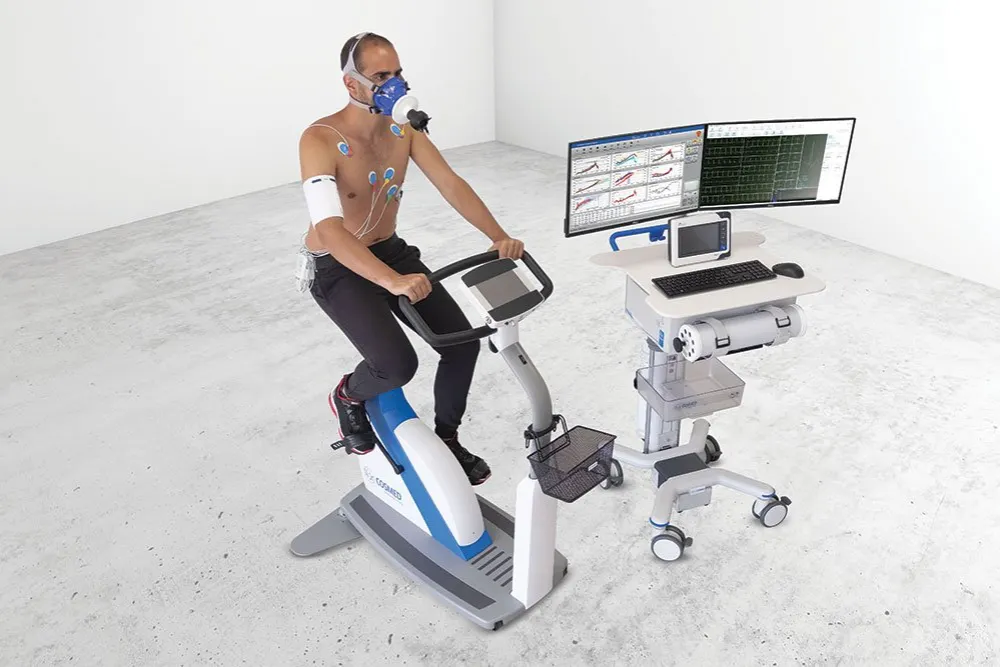
VO2 max /CPET provides real, measurable insights into how your heart, lungs, and metabolism respond to effort. Instead of relying on symptoms alone, it reveals hidden issues, guides safer treatment decisions, and helps patients achieve better health outcomes with scientific accuracy.
This feature measures how your body consumes oxygen and converts it into energy during physical effort.
The test identifies abnormal cardiovascular or respiratory reactions that may appear only during exertion. This allows early detection of hidden risks, helping prevent dangerous exercise responses before they turn into serious health problems.

A full evaluation of how the heart and lungs function together during activity. This mapping shows circulation efficiency, breathing patterns, and oxygen delivery, giving a comprehensive view of cardio-respiratory performance in real-world conditions.

Utilising advanced diagnostic approaches such as kidney biopsy interpretation, laboratory analysis, and imaging correlation to identify autoimmune, inherited, and inflammatory kidney diseases with precision.

The test allows objective tracking of improvement over time. By repeating measurements, doctors can evaluate how well treatments, training programs, or lifestyle changes are working using clear, measurable scientific indicators.

Designed to serve both high-performance athletes and patients with chronic conditions. Whether optimizing performance or managing health safely, the test adapts to each individual’s needs without compromising accuracy or safety.
Real Experiences, Real Results
Stories from patients who received exceptional cardiac care from Professor Hosny.
“دكتور ممتاز… والدتي كانت تعاني من ضعف شديد في عضلة القلب، مما كان يؤثر علي حركتها و تنفسها و حياتها… مشاءالله و الحمدلله خلال اسابيع قليله تم شفاها بفضل من ربنا و الدكتور ياسر… دكتور ياسر طبيب ممتاز و يهتم بالمريض اقصي اهتمام”

“Would like to express my grateful to all the team for; Perfect hospitality with Professional performance from nursing, medical care, medication & close caring for patients.
Special thanks to Dr. Yasser Hosny for his management & care for all patients”

“Dr Yasser is amazing. He has knowledge and cares about every patient”

breakthrough technology in Egypt.
An internationally recognized professor, researcher, inventor, and medical leader specializing in cardiology and sports cardiology.
We begin by reviewing your health background and goals to determine the right testing approach.
You breathe naturally into the analyzer as it measures oxygen consumption and metabolic markers in real time.
The collected data is scientifically analyzed to calculate your metabolic rate and fuel-burning efficiency.
Dr. Yasser explains your results and guides you toward nutrition, fitness, and lifestyle improvements.
Expert Insights for Better Heart Health
Educational articles based on Professor Hosny’s specialties in cardiology and sports cardiology.


Your Heart — Clearly Explained
Common questions patients ask about heart disease, angioplasty, hypertension, and sports cardiology.
Because it:
Reduces the risk of sudden cardiac complications
Detects silent diseases without symptoms
Protects the athlete from unexpected risks
Ensures safe and confident sports participation
📌 An athlete may appear healthy, but some heart conditions only appear during medical testing.
Yes. Many serious conditions:
Do not cause symptoms
Are only detected through medical examination
May appear for the first time during intense exertion
For this reason, early screening is considered preventive, not therapeutic.
It usually includes:
Personal and family medical history
Complete clinical examination
Electrocardiogram (ECG)
Echocardiography (Echo)
Exercise testing when needed
Additional tests depending on the type of sport and the athlete’s age
Yes. Screening varies according to:
Type of sport (endurance – strength – contact)
Intensity of exertion
Athlete’s age
Level of competition
📌 There is no single screening suitable for all athletes.
Early medical screening is the most globally recognized method for reducing cases of sudden cardiac death in athletes because it helps detect:
Cardiomyopathy
Heart rhythm disorders
Congenital heart defects
Early coronary artery problems
Before starting any regular sports activity
Before participating in competitions
When changing the level or intensity of training
After injury or long interruption from training
It is preferable to repeat it periodically.